
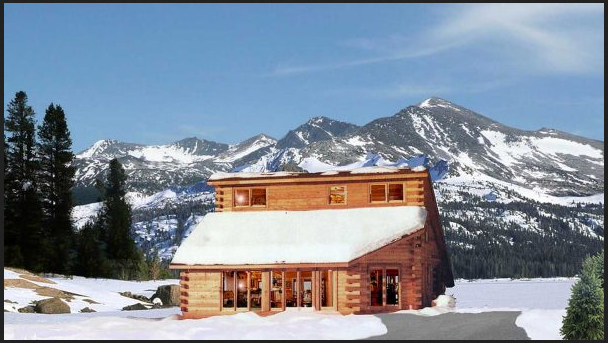
When winter arrives, the unique charm of the log cabin requires proper attention and preparation tailored to the season. How to prepare a log cabin for winter so that it remains intact for colder months. To maintain its beauty, rustic appeal, and natural insulation properties, it is essential to follow certain steps. This article outlines important winterization techniques and connects them to broader ideas for building and maintaining log cabins.
Why Winterization Is Important
For a number of reasons, winterizing your log cabin is essential. First, it shields your investment from moisture, snow buildup, and freezing conditions.
Second, it improves energy efficiency, guaranteeing that your heating system operates efficiently and affordably. Finally, adequate winterization keeps your cabin’s structural integrity intact, protecting its aesthetic appeal and usefulness for many years to come. You can feel secure knowing that you are protecting your house from the severe winter weather by taking the effort to winterize your log cabin.
Step 1: Look over and seal
Start by thoroughly inspecting the outside of your cabin. Examine the logs for any openings or fissures that might allow air to enter. In addition to preventing drafts, caulk or chinking sealing these openings keeps moisture out, which is essential for preserving the integrity. You should incorporate this step into your routine maintenance for your log cabin. Make sure door seals and window frames are tight and undamaged as well. Additionally, door seals and window frames are tight and undamaged as well.
Step 2: Get Your Heating System Ready
Your log cabin’s heating system must be in good working order for the winter to be comfortable. Get a professional to inspect your heating system before the temperature drops. To guarantee ideal airflow, clean the ducts and replace the filters. To avoid fire threats, ensure that the chimney is clear of debris and clean if you have a wood stove or fireplace. Maintaining heating systems regularly is essential for comfort and is in line with best practices for building log cabins.
Step 3: Maintenance of the Roof
When it comes to shielding your log home from the winter weather, your roof is essential. To prevent ice dams, check it for missing or damaged shingles and remove any leaves and debris from the gutters. If you live in a region that receives a lot of snow, you may want to think about adding more insulation to your roof to keep the interior warm while protecting it from structural damage from ice accumulation.
Step 4: Prevention of Pest
If you don’t take precautions, winter may invite unwanted guests into your log cabin. To prevent rodents and insects from seeking refuge from the cold, seal any openings around windows, doors, and pipes. To reduce pest attraction, store firewood away from the cabin. A crucial component of log cabin maintenance that should not be disregarded is effective insect management; by taking these precautions now, you can avoid problems down the road.
Step 5: Keep The Room Temperature Good
It’s crucial to keep the heat on at a minimum temperature (around 55°F) if you want to leave your cabin empty throughout the winter. This method prevents pipes from freezing and protects wooden structures from collapsing due to abrupt temperature changes. To monitor temps remotely, consider using smart home technology or programmable thermostats.
Step 6: Preparation of the Outdoor
You may drastically lower the possibility of damage during winter storms by preparing the exterior space surrounding your log cabin. When there is a lot of snow or wind, trim back any trees that can cause limbs to fall onto your roof or other structure.
