You’re standing on a ladder, arms aching, leaning your entire body weight into a drill that’s doing nothing but screaming, smoking, and turning a perfectly good masonry wall into a scorched smudge. We’ve all been there. Early in my career as a contractor, I wasted forty-five minutes and ruined three standard twist bits trying to anchor a simple conduit box into aged, high-PSI concrete. It was embarrassing, exhausting, and completely avoidable.
The breakthrough came when an old-timer on the site walked over, handed me a specific, beefy-looking tool, and said, “Stop trying to slice through a rock. You need to shatter it.” That was my introduction to the engineering marvel that is the hammer drill bit.
Once you understand how these specialized tools operate, you stop fighting the material and start letting physics do the heavy lifting. Whether you are a weekend warrior putting up floating shelves on a brick accent wall or an intermediate DIYer tackling a basement renovation, mastering the hammer drill bit is your ticket to effortless masonry penetration.
The Anatomy of Impact: How a Hammer Drill Bit Actually Works
To understand why a standard drill bit fails in concrete, you have to understand the material itself. Concrete, stone, and brick are incredibly strong under compression. Trying to cut into them with a sharp steel edge—like a traditional wood or metal bit—is like trying to cut a boulder with a chef’s knife. It dulls the edge instantly.
The Chisel vs. The Cutter
A hammer drill bit doesn’t actually cut. It pulverizes. Think of it less like a drill and more like a miniature, hyper-fast jackhammer.
-
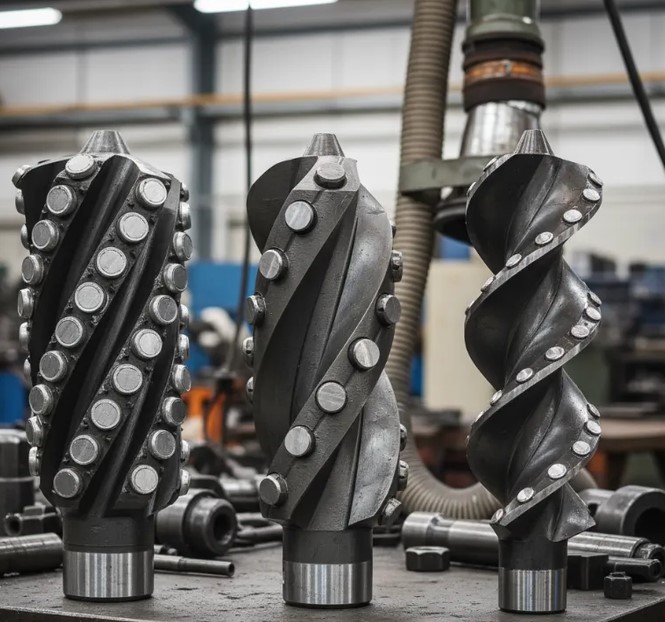
The Carbide Tip: The business end of the bit features a brazed insert made of tungsten carbide. This material is incredibly hard and brittle, shaped like a chisel point rather than a sharp blade. As the hammer drill hammers forward, this tip fractures the brittle masonry substrate.
-
The Flutes: The spirals running down the body of the bit aren’t there to cut; their sole job is scavenging. Once the carbide tip turns the concrete into dust, the wide, deep flutes rapidly scoop that debris out of the hole.
If you don’t clear the dust, it packs down, bakes under the friction, and creates a cushion that stops the bit from hitting fresh stone. That is why specialized geometry matters.
Choosing Your Weapon: SDS vs. Straight Shank
When you walk down the tool aisle, you will notice that not all hammer drill bits look the same at the backend. Choosing the wrong shank style means the bit either won’t fit your tool or will slip constantly under load.
Standard Straight Shank
These bits have a smooth, round cylindrical shank. They are designed for standard DIY hammer drills featuring a traditional 3-jaw chuck.
-
Best for: Light-duty projects, soft brick, or occasional mortar drilling.
-
The Downside: Under heavy resistance, the chuck can lose its grip, causing the bit to spin in place while the chuck scores the metal.
SDS-Plus and SDS-Max (Slotted Drive System)
If you are serious about efficiency, SDS is where the magic happens. Invented by Bosch, these shanks feature unique grooves and slots.
| Shank Type | Best Used For | Chuck Mechanism | Maximum Hole Diameter |
| Straight Shank | Light DIY, Brick, Mortar | 3-Jaw Keyed/Keyless | Typically up to 1/2″ |
| SDS-Plus | Heavy DIY, Solid Concrete | Quick-loading click system | Up to 1″ |
| SDS-Max | Demolition, Large Anchors | Heavy commercial chuck | 1″ and above |
The beauty of the SDS system is that the bit sits loosely inside the chuck, locked in by retaining balls. This allows the bit to slide back and forth like a piston, transferring 100% of the tool’s hammering energy directly to the concrete without wasting power vibrating the entire drill housing.
Engineering Efficiency: Pro Techniques for Maximum Lifespan
Over the past decade, I have watched apprentices burn through expensive bits in minutes because they treated concrete like pine. If you want your hammer drill bit to last through dozens of holes rather than dying on hole number two, you need to alter your technique.
Let the Tool Do the Work
The most common mistake beginners make is leaning into the drill with all their might. Do not force it. When you apply excessive downforce, you compress the internal hammering mechanism of the rotary hammer, dampening the impact energy. You actually slow down penetration while generating massive frictional heat. Apply just enough pressure to keep the tip engaged with the material and steady the tool.
The “In-and-Out” Dust Clear
Even with advanced flute geometry, deep holes clog up. Every 10 to 15 seconds, pull the spinning bit partially out of the hole without stopping the motor. This action flings the accumulated concrete dust out of the entryway.
⚠️If you notice the drilling speed dropping drastically or see puffing smoke, stop immediately. Pull the bit out and clear the hole. You are likely grinding dust against dust, which creates intense thermal stress capable of melting the copper brazing holding your carbide tip in place.
Hidden Warnings: What the Package Won’t Tell You
Before you pull the trigger on your next project, there are a few field-tested realities you need to keep in mind:
-
Watch for Rebar: Standard carbide bits will hit a steel reinforcing bar (rebar) inside concrete and stop dead. If you force it, the carbide tip will shatter. If you know your concrete contains rebar, invest in a 4-cutter hammer drill bit solid-head design, which can chew through embedded steel without destroying itself.
-
The Heat Factor: Never dip a hot masonry bit into cold water to cool it down. The sudden thermal shock will cause microscopic fractures in the tungsten carbide, causing it to fail spectacularly on your next hole. Let it air cool naturally.
Conclusion: Stop Drilling Harder, Start Drilling Smarter
Upgrading your understanding of the hammer drill bit transforms masonry work from a punishing chore into a satisfying, predictable science. By matching the right shank to your tool, letting the hammer mechanism do the mechanical fracturing, and keeping the hole clear of debris, you save your muscles, your time, and your wallet.
What project are you tackling next that requires breaking through tough concrete or brick? Let me know in the comments below, or drop your biggest frustration with masonry drilling so we can troubleshoot it together!