In the modern age of technology, our homes are becoming smarter, more efficient, and increasingly connected. One of the most popular advancements in home automation is smart lighting automation, a system that allows homeowners to control their lighting remotely or through automated schedules. Whether you’re looking to enhance convenience, save energy, or create the perfect ambiance, smart lighting solutions offer a level of control and flexibility that traditional lighting systems simply can’t match. This article will explore how smart lighting automation works, the benefits it provides, and how it can elevate your living space.
1. How Smart Lighting Automation Works
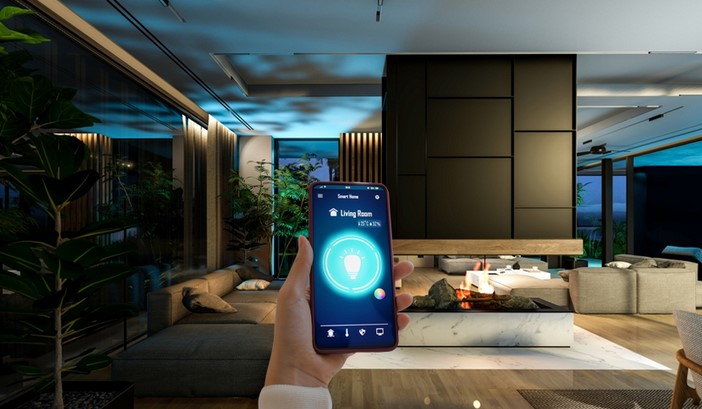
At its core, smart lighting automation involves the use of smart bulbs, switches, and sensors that can be controlled via a smartphone app, voice commands, or preset schedules. These systems are typically integrated with home automation hubs such as Amazon Alexa, Google Assistant, or Apple HomeKit, allowing you to control lighting from virtually anywhere—whether you’re at home, in your car, or on vacation. Here’s how it works:
Smart Bulbs
Smart bulbs are the foundation of any smart lighting system. Unlike traditional light bulbs, smart bulbs are equipped with Wi-Fi or Bluetooth technology, enabling them to connect to your home’s wireless network. Through an app or voice assistant, you can turn these bulbs on or off, adjust their brightness, and even change their color, all from the palm of your hand. Some advanced bulbs also allow you to sync them with music, movies, or specific events, adding an extra layer of customization to your lighting experience.
Smart Switches and Dimmers
In addition to smart bulbs, smart switches and dimmers are key components of smart lighting automation. These devices replace your traditional light switches and give you control over the lighting in your entire home. With a smart switch, you can remotely adjust the lighting levels, set scenes, and even integrate the switch with other smart devices for a fully automated experience. Dimmers allow you to adjust the brightness to suit your mood, providing a more versatile solution for various settings and activities.
Motion Sensors and Smart Plugs
Motion sensors and smart plugs add another layer of convenience to your lighting automation system. Motion sensors can detect movement in a room and automatically turn the lights on or off, making them ideal for high-traffic areas like hallways or bathrooms. Smart plugs, on the other hand, allow you to control any non-smart lamp or appliance through an app, turning even standard lighting into part of your automation system.
2. Benefits of Smart Lighting Automation
Smart lighting automation offers several distinct advantages over traditional lighting systems. Beyond just being a convenient way to control your lights, it provides enhanced security, energy savings, and the ability to customize lighting to fit your lifestyle. Let’s take a closer look at some of the most compelling benefits:
1. Energy Efficiency and Cost Savings
One of the most notable benefits of smart lighting automation is its potential to reduce energy consumption. With features like motion detection and scheduling, smart lighting ensures that lights are only on when needed, reducing unnecessary energy use. For example, motion sensors can automatically turn lights off when a room is unoccupied, ensuring you never leave a light on by mistake. Similarly, you can program your lights to turn on or off at specific times, or even adjust brightness levels to suit the time of day, further optimizing energy usage. Over time, this can lead to significant cost savings on your electricity bill.
2. Enhanced Security and Peace of Mind
Smart lighting automation also plays a crucial role in home security. With the ability to program your lights to turn on and off at specific times, you can create the illusion that someone is home even when you’re away. This is especially useful during vacations or long periods of absence, as it helps deter potential intruders. Additionally, some smart lighting systems allow you to control lights remotely, enabling you to check and adjust your lighting even when you’re miles away from home.
3. Customizable Ambiance and Mood Lighting
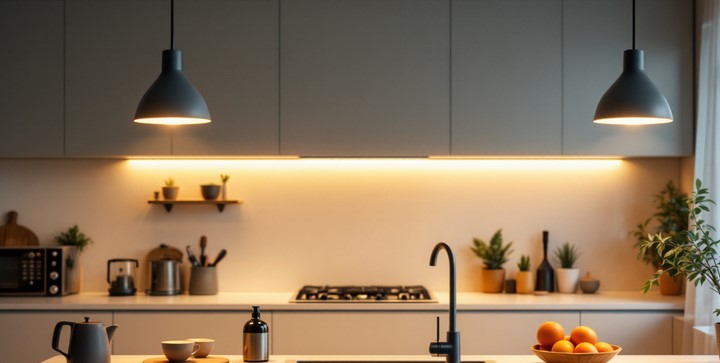
Gone are the days of being stuck with harsh, one-dimensional lighting. With smart lighting automation, you can easily adjust the brightness and color of your lights to match your mood, time of day, or specific activities. Whether you want bright, focused light for work or a warm, dim glow for a cozy evening at home, smart lighting allows you to tailor your space exactly how you like it. Some systems even allow you to create preset “scenes” for specific occasions, such as movie nights, dinner parties, or relaxation time, making it easy to switch between settings with a single command.
4. Hands-Free Control
Another major advantage of smart lighting automation is the convenience of hands-free control. With voice integration through platforms like Amazon Alexa, Google Assistant, or Apple Siri, you can control your lights without lifting a finger. Simply ask your voice assistant to turn the lights on or off, dim them, or change the color, and the system will respond instantly. This hands-free control is especially useful when your hands are full, or if you’re in a room and don’t want to get up to adjust the lighting.
5. Integration with Other Smart Home Devices
Smart lighting systems are often designed to work seamlessly with other smart home devices, creating a fully integrated home automation ecosystem. For instance, you can sync your lights with your thermostat, security cameras, or even your music system. As part of a larger home automation setup, smart lighting becomes an essential part of your home’s functionality. For example, you can create a “Goodnight” scene that adjusts the lights, locks the doors, and sets your thermostat to an energy-saving temperature with a single voice command or app action.
3. Setting Up Smart Lighting Automation in Your Home
Setting up smart lighting automation is easier than ever, thanks to the wide variety of options available on the market. Here’s a step-by-step guide to help you get started:
Step 1: Choose the Right Smart Lighting System
Before you begin, consider what kind of smart lighting system best suits your needs. Do you want to start with a few smart bulbs and add more devices later? Or are you looking for a comprehensive system that includes smart switches, dimmers, and sensors? The answer will depend on your preferences and the size of your home. Popular smart lighting brands include Philips Hue, LIFX, and Wyze, all of which offer flexible, customizable systems.
Step 2: Install the Hardware
Once you’ve chosen your devices, follow the manufacturer’s instructions to install them. If you’re replacing existing light bulbs with smart ones, this typically just involves screwing them into the sockets. For smart switches or dimmers, you may need to replace the traditional switches, which may require a bit more electrical know-how. If you’re not comfortable with this, it’s best to hire a professional to ensure everything is installed safely and correctly.
Step 3: Connect to Your Wi-Fi and Set Up the App
After the hardware is installed, the next step is to connect your devices to your Wi-Fi network. Most smart lighting systems come with an app that allows you to control the lights. Download the app, create an account, and follow the instructions to sync your devices to your network. You’ll then be able to control your lights remotely from your smartphone or tablet.
Step 4: Set Up Automation and Voice Control
Once your system is up and running, take advantage of the automation features. Set schedules to turn the lights on and off at specific times, or program motion sensors to activate when movement is detected. If you have a voice assistant like Alexa or Google Assistant, link your smart lighting system to it and enable voice control. From here, you can begin controlling your lighting hands-free, customizing your settings, and experimenting with different scenes to suit your lifestyle.
In conclusion, smart lighting automation offers a range of benefits that can make your home more energy-efficient, secure, and comfortable. With the ability to control your lighting remotely, create custom settings, and integrate with other smart home devices, smart lighting provides both convenience and versatility. Whether you’re looking to enhance your home’s ambiance, save on energy bills, or improve your security, smart lighting automation is a practical and easy-to-implement solution that can revolutionize the way you interact with your home’s lighting. Embrace the future of home design and take control of your lighting today.