Gardening is a rewarding and fulfilling hobby, but when space is limited, it can feel like a challenge to fit all of your favorite plants into your garden. However, vertical wall trellises offer an innovative solution for maximizing your garden’s vertical space, allowing you to grow a wide variety of plants while making efficient use of every square foot. Whether you have a small backyard, a balcony, or even an urban rooftop, vertical gardening can transform your outdoor space into a lush and productive oasis. In this article, we will explore the benefits of vertical wall trellises and how to incorporate them into your garden design to maximize space and enhance your outdoor aesthetic.
The Benefits of Vertical Wall Trellises
1. Maximizing Space in Small Gardens
For those with limited outdoor space, using vertical wall trellises is an ideal way to increase gardening potential without taking up additional room. By growing plants vertically, you can transform a small patch of soil or even a bare wall into a thriving garden. Whether you have a tiny backyard or a small balcony, trellises allow you to cultivate climbing plants like beans, cucumbers, tomatoes, and even flowering vines.
Vertical gardening also enables you to organize your plants more efficiently. By creating tiers and layers, you can grow a larger number of plants without overcrowding. In addition, vertical trellises help reduce the need for horizontal space, allowing more room for other activities such as outdoor dining or relaxation areas. This approach is especially helpful for those living in urban environments where space is at a premium.
2. Enhancing Aesthetic Appeal
Vertical wall trellises do more than just maximize space—they also add a unique aesthetic to your garden. The natural beauty of climbing plants such as ivy, roses, or jasmine can be accentuated by trellises, which provide a framework for plants to grow in a structured, visually appealing way. Whether you opt for a classic wooden trellis, a modern metal structure, or a rustic wrought-iron design, trellises can serve as both functional and decorative elements in your garden.
Trellises allow you to frame windows, doors, or garden pathways, creating a visually striking backdrop for other garden features. The vertical growth of plants also adds depth and dimension to a garden, making even the smallest spaces feel fuller and more inviting. Additionally, trellises can be designed to complement the style of your home, whether you’re aiming for a rustic cottage garden or a sleek, contemporary outdoor space.
3. Supporting Healthy Plant Growth
Vertical wall trellises not only make the most of your space but can also improve the health and productivity of your plants. By supporting climbing plants off the ground, trellises allow for better air circulation, reducing the risk of fungal diseases that can occur when plants sit too close to the soil. This increased airflow helps plants thrive and encourages stronger, healthier growth.
Furthermore, plants grown vertically are less likely to become infested with pests like slugs and snails, which typically target plants that trail along the ground. With less ground contact, your plants are more likely to remain healthy and free from common garden pests. Additionally, vertical growth makes it easier to harvest crops, as the fruits or flowers are often at a more convenient height, reducing the need for bending and crouching.
Types of Vertical Wall Trellises
1. Traditional Wooden Trellises
Wooden trellises are one of the most common types of vertical garden structures, and for good reason. They provide a sturdy framework for climbing plants while also adding a natural, rustic element to your garden. Wooden trellises come in a variety of shapes and sizes, from simple lattices to elaborate archways, making them versatile enough to suit any garden style.
Wood is an excellent choice for a trellis because it is durable, easy to customize, and complements a wide range of plants. For instance, you can use a wooden trellis to support climbing roses, grapes, or morning glories. Over time, wood naturally weathers and becomes more attractive, blending seamlessly with your garden’s overall aesthetic. However, it’s important to maintain the wood by sealing or staining it regularly to prevent rot, especially in areas with high humidity or rainfall.
2. Metal Trellises
For a more modern or industrial look, metal trellises can be a great choice. Made from materials like wrought iron, steel, or aluminum, metal trellises are known for their strength and longevity. These trellises can support heavier vines and climbing plants like cucumbers, tomatoes, or climbing beans without buckling or bending under the weight.
Metal trellises are also incredibly low-maintenance, as they are resistant to rot, pests, and weathering. They come in a variety of designs, from sleek minimalist structures to ornate, decorative styles. Some metal trellises even feature unique, sculptural designs that double as pieces of garden art. Additionally, metal trellises often have powder-coated finishes that protect them from rust and corrosion, ensuring they last for many years.
3. Modular and Adjustable Trellises
For gardeners who prefer flexibility, modular or adjustable trellises offer the ultimate customization. These trellises are often made from lightweight materials like PVC, bamboo, or wire and can be adjusted in height or width to suit the specific needs of your plants. Modular trellises are especially useful for plants that have different growing habits, as they can be easily adjusted as the plants grow and spread.
Adjustable trellises are also ideal for spaces where you may want to rearrange your garden or change the layout over time. They can be used for everything from vegetables and herbs to flowering vines and shrubs, offering versatility for a wide range of plants. These types of trellises are easy to install and can be moved around to create different configurations as your garden evolves.
4. Living Wall Trellises
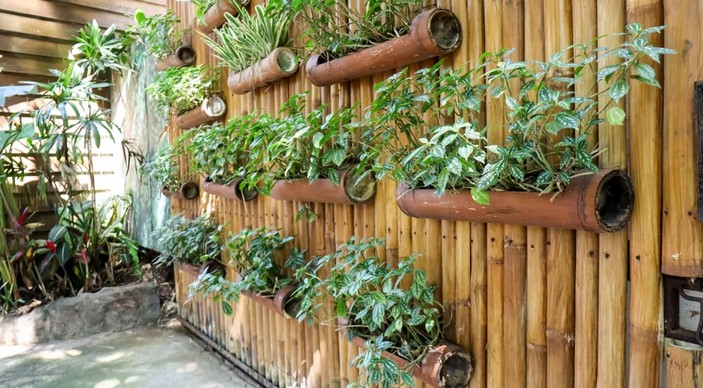
For a truly unique and eco-friendly approach to vertical gardening, living wall trellises, also known as green walls, offer an innovative solution. A living wall trellis consists of a vertical frame planted with a variety of plants, creating a lush, green surface that covers the wall in a blanket of greenery. This type of trellis is perfect for anyone looking to add a vertical garden to their home or outdoor space without using traditional containers or pots.
Living walls can support a variety of plants, from decorative vines to edible plants like strawberries or herbs. They also provide additional environmental benefits, such as improving air quality, regulating temperature, and reducing noise pollution. Living wall trellises are typically constructed with a system that allows water to drain properly, ensuring that the plants receive the right amount of moisture without waterlogging the wall.
How to Install and Care for Vertical Wall Trellises
1. Installation Tips
Installing a vertical wall trellis is generally straightforward, but it’s important to consider a few key factors before getting started. First, choose a wall or surface that receives sufficient sunlight for your plants. Most climbing plants require at least six hours of direct sunlight a day to grow and thrive.
Next, decide whether you want to mount the trellis directly to the wall or install it as a freestanding structure. If you are mounting a trellis to a wall, use heavy-duty screws and anchors to ensure it can support the weight of the plants as they grow. If you prefer a freestanding trellis, make sure it is placed in an area with enough space for the plants to spread and climb.
For living walls, you may need to install a drip irrigation system to keep the plants hydrated, especially if you’re growing a large number of plants in a small space. Living walls require a bit more attention in terms of watering and plant maintenance, but they offer a visually stunning way to incorporate greenery into your garden.
2. Plant Care and Maintenance
Once your vertical wall trellis is installed and your plants are climbing, regular maintenance is important for keeping everything healthy and vibrant. Ensure that the plants are properly trained to grow along the trellis and that they’re receiving adequate water and nutrients. For most climbing plants, pruning is necessary to encourage new growth and prevent them from becoming too unruly.
Additionally, keep an eye out for pests or diseases, especially on plants that are close to the wall, as these can spread quickly. Regularly check the trellis and surrounding area for signs of damage or decay, and repair any issues as soon as they arise to ensure the longevity of your vertical garden.
Vertical wall trellises are an excellent solution for maximizing vertical space in your garden, enabling you to grow a wide range of plants while enhancing the aesthetic appeal of your outdoor space. From traditional wooden trellises to modern metal structures and living wall gardens, there are numerous options to choose from that can fit your garden’s style and needs. By utilizing vertical space efficiently, you can create a more productive and visually appealing garden, even in the smallest of spaces. Whether you’re growing vegetables, flowers, or decorative vines, vertical wall trellises offer a versatile, sustainable, and space-saving way to bring your garden to life.