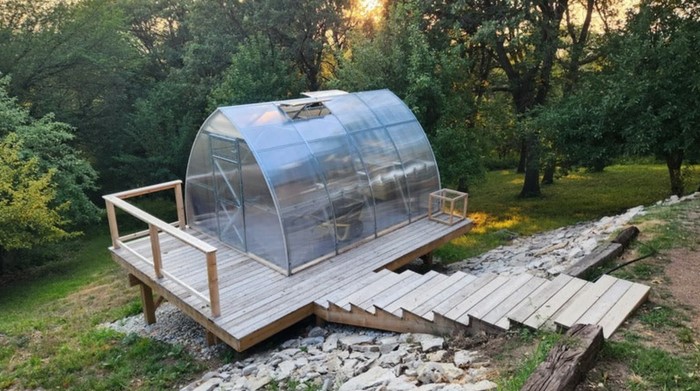
In today’s world, where space and time constraints often limit our ability to grow fresh produce, flowers, or herbs, DIY greenhouse kits offer a simple and effective solution. These kits allow you to create your very own mini garden oasis, regardless of your gardening experience or available space. Whether you’re looking to grow vegetables year-round, protect your delicate plants from harsh weather, or simply enjoy the therapeutic benefits of a personal greenhouse, DIY greenhouse kits provide an affordable and customizable way to achieve these goals. In this article, we will explore how DIY greenhouse kits can transform your gardening experience and provide you with everything you need to get started.
The Benefits of DIY Greenhouse Kits
1. Accessibility and Ease of Setup
One of the most significant advantages of DIY greenhouse kits is how accessible they are to gardeners of all experience levels. These kits come with all the necessary components, including pre-cut frames, panels, anchors, and instructions. With just a few basic tools and a little patience, you can assemble your greenhouse in a matter of hours or days, depending on the size and complexity of the kit.
For beginners, DIY greenhouse kits take away the guesswork of sourcing materials and understanding how to build a greenhouse from scratch. The kits are designed to be user-friendly and include detailed step-by-step instructions, making the process straightforward and enjoyable. Additionally, many kits are modular or can be customized, allowing you to scale up or down based on your space requirements.
2. Extended Growing Seasons
One of the primary reasons gardeners invest in DIY greenhouse kits is the ability to extend the growing season. A greenhouse provides a controlled environment that shields plants from the elements, allowing you to start planting earlier in the spring and continue growing well into the fall, or even winter in some climates. This extended growing period gives you the opportunity to grow a wider variety of plants, including fruits, vegetables, and flowers that may otherwise struggle with the fluctuating temperatures outdoors.
For example, if you live in a colder climate, a greenhouse can help you protect sensitive plants, such as tomatoes, peppers, or herbs, from frost and freezing temperatures. During the winter, your greenhouse can act as a microclimate where certain plants continue to thrive despite the chilly outdoor conditions. This enables you to grow fresh produce year-round, ensuring a continuous harvest and reducing the need to rely on store-bought produce.
3. Cost-Effective Gardening Solution
Building a greenhouse from scratch can be an expensive and time-consuming project, especially if you need to purchase individual materials, hire professionals, or deal with complex construction tasks. In contrast, DIY greenhouse kits are a much more affordable option. The cost of a kit generally includes all necessary parts, and many kits are designed to be easy to assemble, cutting down on labor costs.
The long-term savings of owning a greenhouse are also significant. By growing your own vegetables, herbs, and flowers, you can save money on grocery bills and reduce your reliance on store-bought produce. Additionally, by growing your own plants, you have complete control over the use of pesticides and fertilizers, allowing for a healthier, more sustainable gardening practice.
How to Choose the Right DIY Greenhouse Kit
1. Consider Your Space and Needs
Before purchasing a DIY greenhouse kit, it’s essential to evaluate your available space and decide what you hope to grow. The size of the kit should correspond to the area where you plan to place the greenhouse. For smaller yards or balconies, a compact greenhouse kit may be the ideal solution, while larger gardens may require a more expansive structure to accommodate a wider variety of plants.
Consider the types of plants you wish to grow as well. Some plants, such as tomatoes and cucumbers, require more space and height to grow vertically. If you plan on growing tall crops, such as vine plants or small trees, look for a greenhouse with a higher ceiling or extra vertical space. Similarly, if you’re growing herbs or flowers, a smaller, more compact greenhouse may suffice.
2. Material Quality and Durability
Another important factor when selecting a DIY greenhouse kit is the quality of the materials used. The frame should be sturdy and durable enough to withstand outdoor elements, including wind, rain, and snow. Common materials used for frames include aluminum, galvanized steel, or treated wood. Each material offers different benefits; for instance, aluminum is lightweight and resistant to rust, while galvanized steel provides exceptional durability for larger structures.
The covering material is also a crucial component of a greenhouse. Polycarbonate panels, for example, offer excellent insulation and UV protection, while polyethylene sheeting is more affordable but may need replacing after a few years. Polycarbonate is generally a better choice if you live in a region with extreme temperatures, as it helps regulate the internal climate of the greenhouse, protecting plants from both heat and cold.
3. Climate Considerations
The climate in your area will also play a significant role in determining which DIY greenhouse kit is best suited for your needs. If you live in a region with extreme temperatures or frequent weather changes, you may want to opt for a more insulated greenhouse kit with better temperature control. Some kits come with features like roll-up sidewalls, ventilation systems, or built-in heat retention, which can help keep the environment inside the greenhouse stable and conducive to plant growth.
In warmer climates, a greenhouse with good ventilation and airflow is crucial to prevent overheating. Some kits include adjustable windows, vents, or even exhaust fans, which help regulate the temperature inside the greenhouse. Additionally, ensure that your kit has sufficient UV protection to prevent plants from being damaged by harsh sunlight.
How to Set Up and Maintain Your DIY Greenhouse Kit
1. Site Preparation
Before assembling your DIY greenhouse kit, it’s important to prepare the site. Choose a location that receives ample sunlight—ideally, six to eight hours of direct sunlight per day. The spot should be level, with good drainage to prevent water from pooling around the base of the greenhouse.
Clear the area of any weeds, rocks, or debris, and consider laying down a weed barrier or landscaping fabric to prevent unwanted plants from growing inside your greenhouse. If you’re setting up the greenhouse on a concrete surface, such as a driveway or patio, consider placing gravel or pavers underneath to improve drainage.
2. Assembly
Follow the instructions carefully when assembling your DIY greenhouse kits. Most kits come with pre-cut components and clear instructions, but having an extra set of hands can make the process quicker and more efficient. While assembling, ensure that the frame is level and square, as this will affect the stability and durability of the structure.
If your kit includes a floor frame, it’s crucial to anchor it properly to prevent shifting during strong winds or heavy weather. Many kits come with ground anchors, but if yours does not, consider purchasing additional anchors or stakes to secure the greenhouse firmly to the ground.
3. Ongoing Maintenance
Once your greenhouse is up and running, regular maintenance is essential to ensure its longevity and effectiveness. Periodically check the frame for signs of wear or damage, especially if you live in an area with extreme weather conditions. Clean the panels or plastic coverings regularly to remove dirt, algae, and debris, as buildup can reduce the amount of light reaching your plants.
Ensure that your greenhouse is adequately ventilated, especially during hot weather. Proper ventilation helps prevent overheating, which can stress your plants and stunt their growth. Be sure to check and adjust any automatic ventilation systems if your greenhouse has them, and if not, manually open windows or vents as needed.
DIY greenhouse kits provide a fantastic opportunity for gardeners to create their own personal oasis, regardless of their space or gardening experience. From extending the growing season to providing a controlled environment for plants, these kits offer numerous benefits that can enhance your gardening experience. When selecting a kit, consider factors such as size, material quality, and climate suitability to ensure you choose the right option for your needs. With proper site preparation, assembly, and ongoing maintenance, your DIY greenhouse will provide years of enjoyment and the opportunity to grow a wide variety of plants, flowers, and vegetables in a space that’s uniquely your own.