When designing your home, it’s easy to overlook the power of walls. Walls are more than just structural elements; they are blank canvases that set the tone for the entire room. Rustic wall finishes have become increasingly popular because they add warmth, texture, and charm to any living space. Whether you’re updating your living room, kitchen, or even your bathroom, incorporating rustic finishes on your walls is an effective way to create a welcoming, cozy atmosphere. These finishes evoke the timeless beauty of nature and the rustic charm of country living, making them ideal for a variety of design aesthetics. This article explores different types of rustic wall finishes and how they can help you add character and elegance to your home.
Why Choose Rustic Wall Finishes?
1. Timeless Appeal and Natural Beauty
Rustic design is a celebration of nature and simplicity. The beauty of rustic wall finishes lies in their raw, imperfect beauty. These finishes allow you to embrace natural textures like wood, stone, and plaster, each of which brings its own unique charm. Whether you choose rough-hewn timber, weathered brick, or a textured plaster finish, rustic walls connect you with the natural world and provide a sense of grounding that modern, sleek finishes sometimes lack.
What makes rustic design especially appealing is its timelessness. Unlike trendy design elements that can feel dated in a few years, rustic finishes never lose their charm. Their weathered, organic textures only become more beautiful with age, adding character over time. Whether you live in a country farmhouse or an urban apartment, rustic wall finishes can easily be incorporated into any home, adding personality and charm that fits with a variety of interior design styles.
2. Eco-Friendly and Sustainable Materials
Another advantage of rustic finishes is their eco-friendly nature. Many rustic wall treatments, such as reclaimed wood or stone, are made from sustainable materials that have minimal environmental impact. Reclaimed wood, for example, is often salvaged from old barns or warehouses, giving the wood a second life rather than contributing to deforestation. Stone, brick, and clay are also natural materials that are durable and low-maintenance, meaning they will last for decades with minimal wear and tear.
The sustainable aspect of rustic wall finishes also means that these materials are often more durable than their modern counterparts. Reclaimed wood, stone, and clay all tend to age gracefully, becoming more beautiful with time, unlike some synthetic materials that degrade or become outdated quickly. By choosing rustic finishes, you’re investing in materials that stand the test of time, both aesthetically and functionally.
3. Versatility Across Design Styles
One of the greatest benefits of rustic wall finishes is their versatility. Rustic design doesn’t fit into one specific aesthetic—it can blend seamlessly with a variety of interior styles, from modern farmhouse to industrial chic. Rustic finishes can be used to create a cozy, country feel in a living room or a high-end, luxurious vibe in a kitchen or bathroom.
For example, a reclaimed wood accent wall might work perfectly in a modern farmhouse kitchen, while a raw stone wall could bring a sense of rugged elegance to an urban loft. Similarly, a distressed plaster finish can add warmth to a minimalist Scandinavian-style room. Because rustic wall finishes come in so many forms, they can be mixed and matched with other design elements, making them adaptable for almost any interior theme.
Types of Rustic Wall Finishes
1. Reclaimed Wood Walls
One of the most popular rustic wall finishes is reclaimed wood. This timeless material is full of character, with each plank telling a story through its grain, texture, and color variations. Reclaimed wood can be sourced from old barns, factories, or other buildings, and it often has a weathered, aged appearance that adds authenticity to a room.
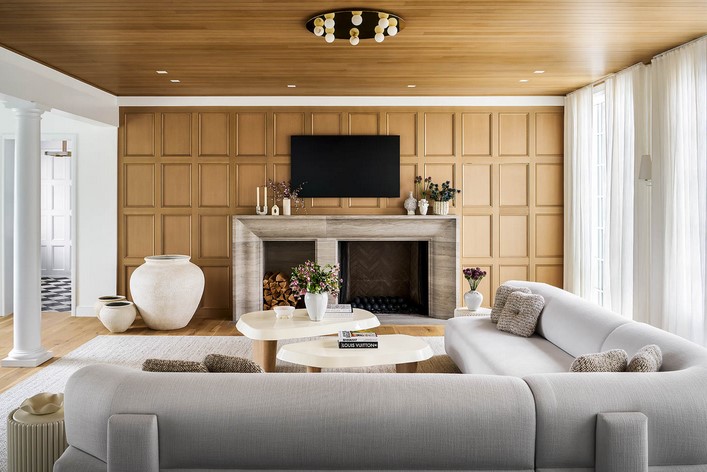
Reclaimed wood can be used in a variety of ways. You might choose to create a feature wall in your living room, a cozy accent wall in your bedroom, or a rustic backsplash in your kitchen. You can even opt for wood paneling, which can be installed vertically, horizontally, or diagonally depending on the look you’re going for. Reclaimed wood is not only visually striking but also environmentally friendly, making it an excellent choice for those looking to create an eco-conscious home.
2. Exposed Brick Walls
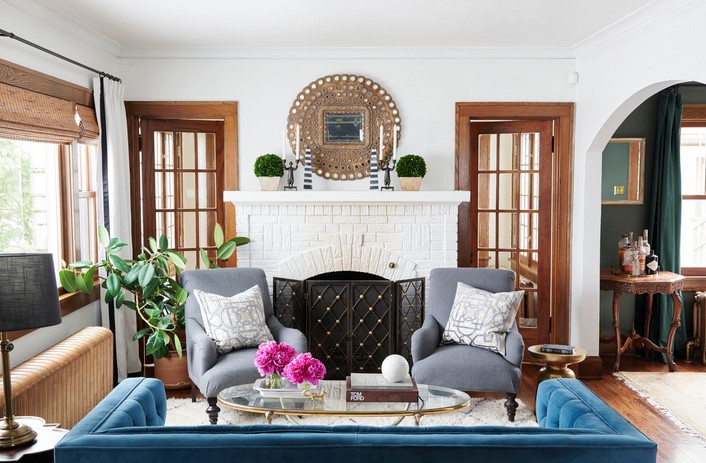
Another classic rustic wall finish is exposed brick. Brick is known for its durability and rugged beauty, making it an ideal material for creating a sense of warmth and character in any room. Whether you have original brickwork in your home or decide to install a faux brick veneer, this finish adds an industrial charm that pairs beautifully with rustic décor.
Exposed brick can be used in a variety of rooms, from living spaces to kitchens to bathrooms. It works well with both modern and traditional furniture, providing a contrast between the rough, textured surface of the brick and the sleekness of contemporary design. If your space has limited natural light, brick can also help bring warmth and depth to the room, making it feel more inviting and cozy.
3. Plaster and Stucco Finishes
Plaster and stucco finishes are often associated with Mediterranean and Southwestern-style homes, but they can work well in almost any setting. These materials are highly durable and create a smooth, textured surface that evokes a sense of rustic elegance. Plaster can be applied in different ways—smooth and polished or rough and weathered—depending on the desired effect.
Stucco, on the other hand, provides a more pronounced texture, often used in more rustic or bohemian-inspired spaces. Both plaster and stucco finishes are highly customizable, with a range of colors and textures to choose from. They are also great for creating an earthy, organic atmosphere, making them perfect for rooms that need a bit of warmth and natural charm.
4. Stone Walls
Stone is one of the most durable and timeless materials for creating a rustic wall finish. Whether you go for a rough-hewn look with large stones or a more refined appearance with smooth-cut stone, this finish adds a touch of nature to your home. Stone is perfect for creating focal points or accent walls in high-traffic areas like the living room or hallway. It can also be used in bathrooms or kitchens for added texture and character.
One of the advantages of stone is its durability and low maintenance. It’s resistant to water, heat, and wear, making it an ideal material for kitchens or bathrooms. Stone also works well in combination with other materials, such as wood or metal, to create a balanced, visually interesting design.
5. Barnwood and Distressed Finishes
Barnwood is another rustic material that evokes a sense of warmth and authenticity. Its weathered appearance makes it ideal for creating a vintage or distressed look on walls. You can use barnwood to create feature walls, wainscoting, or even as a backdrop for shelving or cabinetry.
If barnwood is not available or if you prefer a more uniform finish, distressed paint techniques can also be used to create a similar effect. Distressed walls often feature peeling paint or chipped surfaces, which gives the room a worn-in, lived-in look. This is a great way to add character to spaces like kitchens or dining rooms, where the walls are often subject to wear and tear.
How to Integrate Rustic Wall Finishes into Your Home
1. Use Feature Walls for Impact
If you’re hesitant about committing to rustic wall finishes throughout your entire home, start with a feature wall. A single wall adorned with reclaimed wood, exposed brick, or a stone accent can create a striking focal point without overwhelming the room. This approach is perfect for living rooms, bedrooms, or entryways, where you want to make a statement without going overboard.
2. Pair Rustic Finishes with Modern Elements
One of the best ways to make rustic wall finishes feel fresh and contemporary is to pair them with modern design elements. For example, a reclaimed wood wall can be balanced with sleek, modern furniture and minimalist décor. Exposed brick works beautifully with industrial-style lighting and furniture, while a stucco finish can complement clean, Scandinavian-inspired design.
Mixing rustic finishes with more contemporary elements prevents the space from feeling too heavy or outdated, allowing the rustic textures to shine in a modern setting. The key is balance—mix rustic materials with light, airy designs to maintain an open, welcoming feel.
3. Consider Color and Lighting
When working with rustic finishes, color and lighting are key to making sure the space doesn’t feel too dark or heavy. Light neutral colors on furniture and accessories will help brighten the room and allow the rustic walls to stand out. Additionally, using warm lighting can highlight the natural textures and colors of materials like wood and stone.
For example, consider using pendant lights or wall sconces with an industrial or vintage design to complement exposed brick or reclaimed wood. Soft, ambient lighting can create a cozy, inviting atmosphere, while task lighting can highlight specific features, such as a stone accent wall or a timber-clad focal point.
Incorporating rustic wall finishes into your home is an effective way to add warmth, texture, and character to any room. Whether you choose reclaimed wood, exposed brick, stone, or plaster, these finishes bring an organic, timeless charm that can be paired with a variety of design styles. Not only do they enhance the aesthetic appeal of your space, but they are also durable and environmentally friendly, making them a sustainable choice for homeowners. By choosing rustic wall finishes, you are creating a home that feels grounded in nature, rich with character, and full of personality.