You have spent weeks selecting the perfect neutral sofa, arranging precision recessed lighting, and sanding down hardwood floorboards to a satin finish. Yet, when you step back to evaluate the living room, it feels less like a warm home and more like an cold showroom floor.
I see this exact visual disconnect on residential interior projects all the time. Early in my career while staging a newly renovated craftsman home, I realized that hard architectural lines and flat leather surfaces leave a room feeling visually sterile, regardless of how expensive the furniture is.
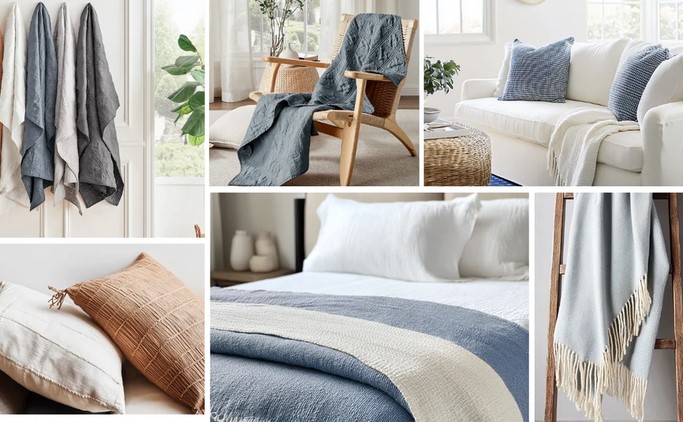
The fix wasn’t an expensive artwork piece or a complete layout change; it was introducing tactile dimension. Placing a handcrafted blanket throw knit over a structured armchair instantly softened the room’s hard angles, introduced subtle shadow play, and made the space feel lived-in and welcoming.
In my over ten years of hands-on experience in home improvement and space styling, I have learned that true interior comfort relies on balancing tactile surfaces. A textured knit throw acts as a bridge between rigid structural elements and human comfort.
The Ergonomics of Texture: Why Knit Construction Matters
To understand why a dedicated blanket throw knit transforms an interior, you have to look at textile mechanics. Flat-woven textiles—like standard cotton sheets or smooth polyester fleece—feature tight, uniform weaves that reflect light evenly, resulting in a flat, two-dimensional appearance.
Knitted textiles, by contrast, are constructed through interconnected loops of yarn. This looped geometry creates three-dimensional depth, trapping pockets of air within the fabric matrix while creating micro-shadows across the surface.
[ Woven Fabric: Flat Structure ] ➔ [ Uniform Light Reflection ] ➔ [ Flat Visual Texture ]

[ Knit Loops: 3D Air Pockets ]  ➔ [ Diffused Light & Shadows ]  ➔ [ Deep Tactile Warmth ]
Think of a knitted throw like acoustic insulation for your eyes. Just as acoustic foam breaks up sound waves to prevent echo, the varied surface peaks and valleys of a knit throw break up harsh light reflections, instantly softening rigid seating and sleek leather finishes.
-
Thermal Efficiency: The looped structure traps body heat in micro-pockets of ambient air, providing lightweight thermal insulation without heavy bulk.
-
Drape Dynamics: Knitted fabrics possess natural diagonal elasticity (bias stretch), allowing them to cascade naturally over furniture arms without stiff creasing.
-
Visual Anchor: The high-contrast shadows created by thick knit patterns draw the eye, making large, plain sofas feel balanced.
Material Breakdown: Selecting the Right Yarn Spec for Longevity
Not all knit throws perform equally in daily household environments. Choosing the ideal blanket throw knit requires matching fiber composition, loop density, and weight to your lifestyle needs.
| Fiber Type | Thermal Performance | Durability & Pilling Resistance | Maintenance Complexity | Best Application |
| Chunky Merino Wool | Exceptional (High insulation) | Low to Moderate (Prone to friction pilling) | Dry Clean Only | Low-traffic accent styling |
| Long-Staple Organic Cotton | Moderate (Breathable year-round) | High (Resists snagging) | Machine Washable | Daily family living rooms |
| Acrylic / Polyester Blend | Moderate to High | High (Synthetic strength) | Easy Care / Machine Washable | High-traffic, pet-friendly homes |
| Chenille Knit | High (Ultra-soft pile) | Moderate (Requires gentle handling) | Hand Wash / Delicate Cycle | Bedrooms & reading nooks |
1. Chunky Cable Knits vs. Fine Gauge Structures
-
Chunky Cable Knits: Feature large gauge loops that offer maximal visual impact. They serve as stunning structural accents over structured leather couches or reading chairs.
-
Fine-Gauge Micro Knits: Provide a smooth, subtle drape that folds tightly. These are ideal for layering at the foot of a bed or draping over modern mid-century seating.
Styling Logistics: Placement Tactics for Professional Polish
Draping a throw isn’t about tossing a blanket randomly onto a couch. Professional space stylists rely on intentional layout strategies to establish structural balance:
-
The Tailored Fold: Fold your blanket throw knit into a crisp, three-foot-wide band and drape it vertically down the back cushion and seat of a sofa. This creates a clean vertical line that breaks up long horizontal couches.
-
The Casual Cascade: Pinch the throw at its center point, let the corners drop naturally, and drape it over the arm of a couch or reading chair, allowing the fringe or edge to gently pool onto the floor.
-
The Foot-of-Bed Layer: Lay a heavy knit throw across the bottom third of a bed duvet. This adds essential texture depth and grounds crisp, plain white bed linens.
Expert Advice: Pro Tips & Hidden Pitfalls
PRO TIP: The “Pill-Trimmer Restoration” TrickHigh-contact knit throws inevitably develop small surface fuzz balls (pilling) over time due to friction. Never pull these fibers by hand, as this stretches the knitted loop structure. Use a battery-operated fabric shaver or a fine-tooth sweater comb once a season to shave away pills flush with the surface, restoring your knit throw to brand-new condition.
Hidden Pitfalls to Avoid:
-
Ignoring Pet Claws on Loose Cable Knits: Super-chunky roving wool and loose-loop cable knits are easily snagged by dog and cat claws, pulling long loops out of alignment. Choose tight-gauge cotton or heavy chenille knits for homes with active pets.
-
Hanging Knits on Narrow Wire Hangers: Storing a heavy blanket throw knit over a thin coat hanger causes the yarn loops to stretch under their own weight, leaving unsightly bumps in the fabric. Always store your throws loosely rolled in a breathable wicker basket or folded flat on a shelf.
-
Washing High-Loft Wool in Hot Water: Washing natural wool knits in warm water with agitation will cause the fibers to felt, shrinking your throw into an unusable, stiff pad. Hand-wash natural wools in cold water with wool-safe detergent and lay them flat to dry on a drying rack.
Transform Your Living Space Today
Elevating your interior decor doesn’t require tearing down walls or replacing major furniture investments. By integrating a high-quality, thoughtfully styled blanket throw knit into your living areas, you introduce rich texture, inviting warmth, and balanced visual depth.
Take a fresh look at your living room seating today. Identify the sleek, flat surfaces that feel a bit too cold, and introduce a tactile accent that turns house styling into true home comfort.
What textures or accent pieces do you rely on to make your home feel cozy? Have you run into maintenance challenges with your favorite throw blankets? Share your experiences or questions in the comments below—let me know your thoughts!