
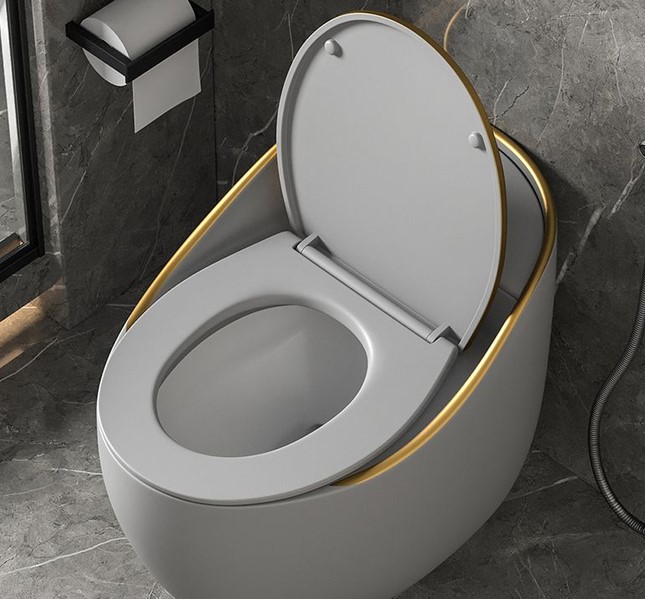
Every time you pull the flush handle on an open toilet, a microscopic volcanic eruption takes place in your bathroom. High-speed fluid dynamics force water down the bowl while launching thousands of invisible bio-aerosol droplets into the surrounding air. These airborne micro-particles travel up to six feet in a matter of seconds, settling directly onto bath towels, vanity countertops, and nearby toothbrushes.
In my more than ten years of renovating residential bathrooms and optimizing home sanitary systems, I have conducted hundreds of post-installation walkthroughs. During final inspections, I occasionally use UV fluorescent dye tracing to demonstrate airborne particulate dispersion to my clients. The visual result is almost always a wake-up call: an open-bowl flush coats virtually every adjacent surface in invisible splatter.
Preventing this continuous spread of microscopic contamination doesn’t require installing expensive hospital-grade air scrubbers or rebuilding your bathroom layout. The solution is already sitting right on top of your fixture: the humble, highly functional toilet seat cover and integrated lid assembly.
The Aerosol Shield: The Science of Toilet Plume Containment
To understand why a closed toilet seat cover is your bathroom’s most critical sanitary barrier, think of your toilet bowl like a high-speed kitchen blender. You would never blend a soup without locking the lid down first unless you were prepared to wipe down the kitchen walls afterward.
When water rushes into the bowl during a flush, it creates severe mechanical turbulence. This force generates a phenomenon known in environmental health engineering as “toilet plume.” This aerosolized mist contains microscopic droplets loaded with bacteria, viruses, and dissolved organic waste.
Closing the toilet seat cover before flushing acts as a mechanical splash shield. It intercepts upward-thrusting micro-droplets, forcing the aerosol cloud to condense back down into the bowl rather than floating into your home’s indoor air stream.
Material Engineering: Selecting the Ultimate Sanitary Barrier
Not all seat covers and lid assemblies offer the same level of hygienic performance. When selecting hardware for a residential remodel, I evaluate materials based on non-porous structural integrity, chemical resistance, and long-term durability.
+-----------------------------------------------------------------------+
|                 TOILET SEAT COVER MATERIAL COMPARISON                 |
+-----------------------------------------------------------------------+
| Material Type         | Surface Density | Chemical Resistance | Hygiene Rating|
+-----------------------+-----------------+---------------------+---------------+
| Duroplast (Thermoset) | Extremely High  | High (Bleach Proof) | Premium (A+)  |
| Polypropylene (Plastic)| Moderate       | Moderate            | Standard (B+) |
| Molded Wood Core      | Low (Porous)    | Low (Prone to Chips)| Basic (C)     |
| Fabric / Padded Covers| Very Low        | Poor (Harbors Germs)| Not Recommended|
+-----------------------------------------------------------------------+
1. Duroplast (Thermoset Polymer)
This is my top material recommendation for modern bathroom builds. Duroplast is a high-density, scratch-resistant compound that feels like ceramic. Its completely non-porous surface prevents bacterial colonization and tolerates harsh cleaning chemicals without yellowing or cracking.
2. High-Grade Polypropylene
A flexible, shatterproof thermoplastic that offers good chemical resistance and affordability. While slightly more prone to surface scratches than Duroplast, polypropylene provides a solid, easy-to-clean sanitary barrier for high-traffic family bathrooms.
3. Molded Wood Cores
Molded wood coated with lacquer is popular for its warmth and solid feel. However, if the outer paint chip or cracks, the porous wood core inside absorbs moisture, humidity, and bacteria, making effective sanitization nearly impossible over time.
Modern Sanitary Features: Upgrading Your Hardware
Beyond basic material composition, modern hardware incorporates several engineering advancements that make maintaining bathroom hygiene significantly easier.
+-------------------------------------------------------------------+
|               SANITARY HARDWARE SELECTION CHECKLIST               |
+-------------------------------------------------------------------+
| 1. Quick-Release Hinge System (Push-button removal for cleaning)  |
| 2. Soft-Close Hydraulic Dampers (Prevents slam-induced cracking)  |
| 3. Silver-Ion Antimicrobial Glaze (Active bacterial inhibition)   |
| 4. Ergonomic Overlap Lid Design (Full perimeter bowl coverage)    |
+-------------------------------------------------------------------+
Quick-Release Hinge Systems
Traditional top-mount toilet seats attach with fixed bolts that turn the rear hinge area into a nightmare zone of trapped grime and mineral buildup. Modern units feature a quick-release push-button mechanism that lets you pop the entire toilet seat cover assembly off the porcelain in two seconds, allowing you to scrub the bowl ledge clean without fighting awkward corners.
Soft-Close Hydraulic Dampers
Dropping a heavy lid onto porcelain causes micro-fractures in both the ceramic glaze and plastic seat bodies. Soft-close hinges utilize viscous fluid dampers to lower the seat and cover gently, eliminating loud slamming and preventing structural cracks where bacteria can hide.
Antimicrobial Surface Coatings
Many high-end seat covers now feature silver-ion additives embedded directly into the polymer matrix during manufacturing. This built-in antimicrobial protection actively disrupts microbial cell walls, inhibiting the growth of mold, mildew, and odor-causing bacteria between regular cleanings.
Hidden Warning: The Chemical Etching HazardDousing your toilet seat cover with concentrated industrial bleach or abrasive scouring powders damages the smooth protective topcoat of the polymer. Once this glaze is etched or scratched, it creates microscopic pits that trap bacteria and cause permanent yellow discoloration. Always clean plastic and resin covers with mild dish soap or specialized non-abrasive bathroom cleaners.
Public vs. Residential Hygiene: Disposable Barriers and Bidet Extensions
While a solid structural lid is essential for residential home spaces, navigating public facilities or multi-user bathrooms introduces different sanitary requirements.
-
Disposable Paper and Polymer Barriers: In commercial or shared office settings, lightweight disposable paper covers create a temporary physical barrier against skin contact on public seats.
-
Integrated Electronic Bidet Seats: Modern electronic bidets combine a heated toilet seat cover with self-cleaning UV-sanitized nozzle wands. The continuous warm-water wash reduces reliance on dry toilet paper, elevating personal hygiene while keeping the seat surface clean via automated pre-misting cycles.
Pro Tip: The “5-Second Glaze Test”Run your finger across the underside of your current toilet seat. If you feel rough patches, hairline cracks, or worn-down paint on a wood core, replace the entire unit immediately. Rough surfaces mean the protective glaze has degraded, turning the seat into a permanent harbor for bacteria that standard cleaning sprays can no longer sanitize.
Final Thoughts: Small Changes, Maximum Protection
True home improvement isn’t always about knocking down load-bearing walls or spending thousands on luxury tile. Quite often, it comes down to optimizing the subtle daily routines and hardware that keep your living spaces clean, functional, and healthy.
Adopting the habit of closing your toilet seat cover before every flush—and upgrading to a smooth, non-porous quick-release unit—is one of the simplest, most cost-effective ways to protect your bathroom’s air quality and surface hygiene.
Do you currently practice the “lid-down flush” habit in your household, or are you thinking about upgrading your current bathroom fixtures to quick-release, soft-close hardware? Share your thoughts, questions, or favorite bathroom maintenance tips in the comments below—I’d love to help you build a cleaner home!