
It was 4:00 AM on a freezing Sunday when my neighbor hammered on my front door, frantically yelling that water was pouring through his kitchen ceiling. When we rushed inside, his entire second-floor bathroom was converted into an indoor pool, discharging roughly eight gallons of pressurized water every single minute. The villain behind this thousands-of-dollars disaster wasn’t a ruptured main valve or a cracked porcelain toilet—it was a 15-year-old rigid plastic connector tube that had snapped right at the threads.
In my more than ten years of crawling under kitchen sinks, installing fixtures, and repairing residential plumbing systems, I have seen this exact nightmare play out far too many times. According to insurance industry data, pressurized supply line failures are among the top five causes of residential water damage claims, often costing homeowners upwards of $10,000 per incident.
Yet, preventing these catastrophic flooding events comes down to one inexpensive, incredibly crucial component: upgrading to a modern supply line flexible assembly. It is the flexible life support line of your plumbing ecosystem, connecting rigid shutoff valves to your faucets, toilets, and water heaters.
What Is a Supply Line Flexible and Why Does Your Home Need It?
To understand why rigid connectors fail and flexible lines succeed, think of your home’s plumbing system as a high-speed highway network. The copper or PEX pipes hidden inside your walls act as the rigid Interstate highways, carrying high-pressure water throughout the house.
However, when that highway reaches its final exit—a vanity sink, a toilet tank, or a washing machine—it needs an adjustable suspension bridge that can absorb movement, vibration, and thermal shifts. That bridge is the supply line flexible (commonly referred to in the trade as a flex riser or flexible supply connector).
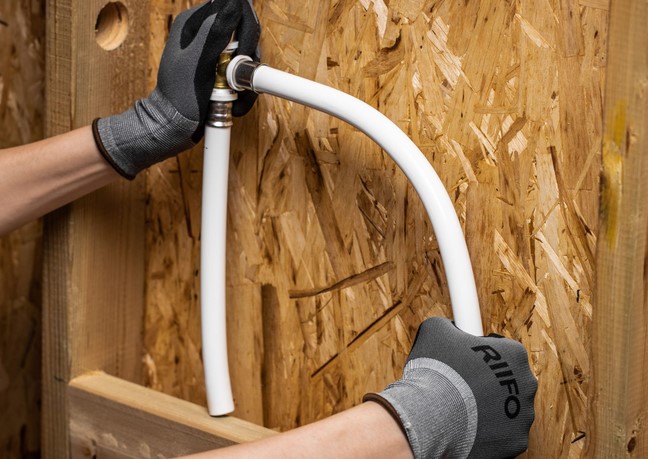
Unlike rigid chrome-plated copper or brittle plastic tubes that require exact measurements and complex tube benders, flexible supply lines utilize a dual-layer design. An interior tube constructed from non-toxic, pressure-resistant materials is reinforced by an exterior protective armor, allowing the line to bend freely around cabinet obstacles without kinking or stressing connection joints.
The Anatomy of Flex Connections: Material Breakdown and Engineering
In my field inspections, I find four major types of flexible supply lines installed under sinks and behind toilets. Choosing the right material for your specific fixture is critical for long-term hydraulic reliability.
+-----------------------------------------------------------------------+
|               SUPPLY LINE FLEXIBLE MATERIAL COMPARISON                |
+-----------------------------------------------------------------------+
| Material Type        | Max Burst Pressure | Corrosion Resistance | Lifespan    |
+-----------------------------------------------------------------------+
| Stainless Steel Braid| High (~1,500 PSI)  | Exceptional          | 10+ Years   |
| Reinforced PVC/Vinyl | Moderate (~600 PSI) | High                 | 3-5 Years   |
| Braided Polymer/PEX  | High (~1,200 PSI)  | Excellent (Chemicals)| 8-10 Years  |
| Corrugated Copper    | Very High          | Moderate             | 10+ Years   |
+-----------------------------------------------------------------------+
1. Braided Stainless Steel (The Gold Standard)
This connector features a durable inner core wrapped in hundreds of interwoven 304 stainless steel wires. The metal braid acts as an external exoskeleton, preventing the inner core from expanding, bulging, or bursting under high municipal water pressure spikes.
2. Braided Polymer Sheathing
Similar in construction to stainless steel, but braided with high-density engineered polymer threads. These offer excellent resistance to harsh household cleaning chemicals that might otherwise pit or tarnish raw metal braids in humid under-sink environments.
3. Reinforced Vinyl / PVC
These basic white flexible tubes utilize an inner PVC core reinforced with synthetic yarn mesh. While cost-effective, they are prone to age-hardening and micro-fractures, making them suitable only for low-risk, easily accessible applications.
4. Corrugated Copper / Stainless Steel
Primarily used for high-flow applications like water heaters and water softeners. They offer large internal diameters for maximum flow rates while providing structural flexibility to absorb thermal expansion cycles.
Critical Sizing Mechanics: Threads, Compression, and Lengths
One of the most frustrating mistakes beginners make at the hardware store is buying the wrong thread size or hose length. Plumbing connectors rely on specific standardized thread standards that are not always interchangeable.
-
Shutoff Valve Ends (Compression Fittings): The standard shutoff valve (angle stop) under most sinks and toilets features a 3/8-inch OD (Outer Diameter) compression male thread. Older homes may occasionally use 1/2-inch compression threads.
-
Faucet Connection Ends: Modern kitchen and bathroom faucets typically accept 1/2-inch FIP (Female Iron Pipe) straight threads, which seal against a flat rubber washer inside the connector nut.
-
Toilet Fill Valve Ends: Toilet ballcock valves use a unique 7/8-inch ballcock thread (often made of plastic or heavy brass with large wing-nut style flanges for easy hand-tightening).
+-------------------------------------------------------------------+
|               PRO-GRADE FLEXIBLE LINE SELECTION FLOW              |
+-------------------------------------------------------------------+
| 1. Measure distance from valve to fixture inlet; add 2-3 inches  |
| 2. Verify valve outlet size (typically 3/8" compression)          |
| 3. Identify fixture thread (1/2" FIP for faucets, 7/8" for toilets)|
| 4. Select Braided Stainless Steel or Engineered Polymer core      |
+-------------------------------------------------------------------+
Pro-Grade Installation Protocols: Avoiding the Silent Killer Errors
Installing a supply line flexible connector seems straightforward—screw on the nuts, tighten them down, and turn on the water. Yet, improper installation techniques are responsible for nearly half of all flex line failures I inspect.
Never Overtighten Connection Nuts
The seal inside a flexible supply line is made by compressing an internal rubber washer or cone seal, not by jamming metal threads together. Hand-tighten the nut until it seats firmly, then use an adjustable wrench to turn it an extra 1/4 to 1/2 turn maximum. Over-tightening crushes or tears the rubber washer, causing immediate or slow hidden leaks.
Maintain a Natural Gentle Loop (Avoid Kinking)
Never stretch a flexible hose completely taut or bend it into a sharp 90-degree angle right at the crimp sleeve. If your line is slightly too long, form a smooth, wide loop inside the cabinet. Sharp bends place permanent mechanical tension on the end crimps, leading to sudden fitting separation under pressure.
Hidden Warning: The Chemical Degradation HazardStoring opened bottles of chlorine bleach, ammonia, or harsh drain cleaners under your sink releases corrosive airborne fumes. Over time, these chemical vapors attack stainless steel braids, causing invisible stress corrosion cracking (SCC) that snaps metal strands and leads to sudden bursts. Keep cleaning agents in sealed plastic containers or separate storage bays.
Maintenance and Replacement Lifecycles: When to Swap Them Out
Like tires on a car, no flexible plumbing supply line is designed to last forever. Rubber gaskets degrade, internal cores harden, and metal braids can suffer from micro-corrosion.
-
The 5-Year Replacement Rule: As an industry standard recommendation, replace all flexible supply lines every 5 to 7 years, regardless of their visual condition.
-
Inspect Every 6 Months: Open your sink cabinets and look for warning signs: rust spots on the metal braid, green copper oxidation on brass nuts, rubber bulging near crimp collars, or any moisture dampness along the hose body.
-
Upgrade to Auto-Shutoff Smart Lines: If you travel frequently, consider installing smart flexible lines equipped with internal mechanical flood-check valves. If the line bursts, sudden high-velocity flow trips an internal piston that instantly shuts off water at the source.
Pro Tip: Use the Two-Wrench TechniqueWhen connecting a supply line flexible to an old angle stop valve under a sink, always use two wrenches. Use one wrench to hold the body of the shutoff valve completely still, and the second wrench to turn the flex line nut. This prevents you from twisting and cracking the copper pipe inside your wall while tightening the line.
Final Thoughts: Secure Your Home’s Hydraulic Safety
Your home’s plumbing system works silently under continuous pressure 24 hours a day, 365 days a year. Swapping out old, rigid, or worn plastic connectors for high-grade braided supply line flexible assemblies is one of the easiest, most cost-effective DIY upgrades you can perform to protect your property from catastrophic water damage.
Take five minutes today to grab a flashlight and inspect under your kitchen sink, vanity cabinets, and behind your toilets.
When was the last time you checked or replaced your home’s flexible supply lines, or have you ever had to deal with an unexpected plumbing leak under a sink? Share your experiences, questions, or plumbing tips in the comments below—I’d love to help you keep your home’s water lines safe and leak-free!